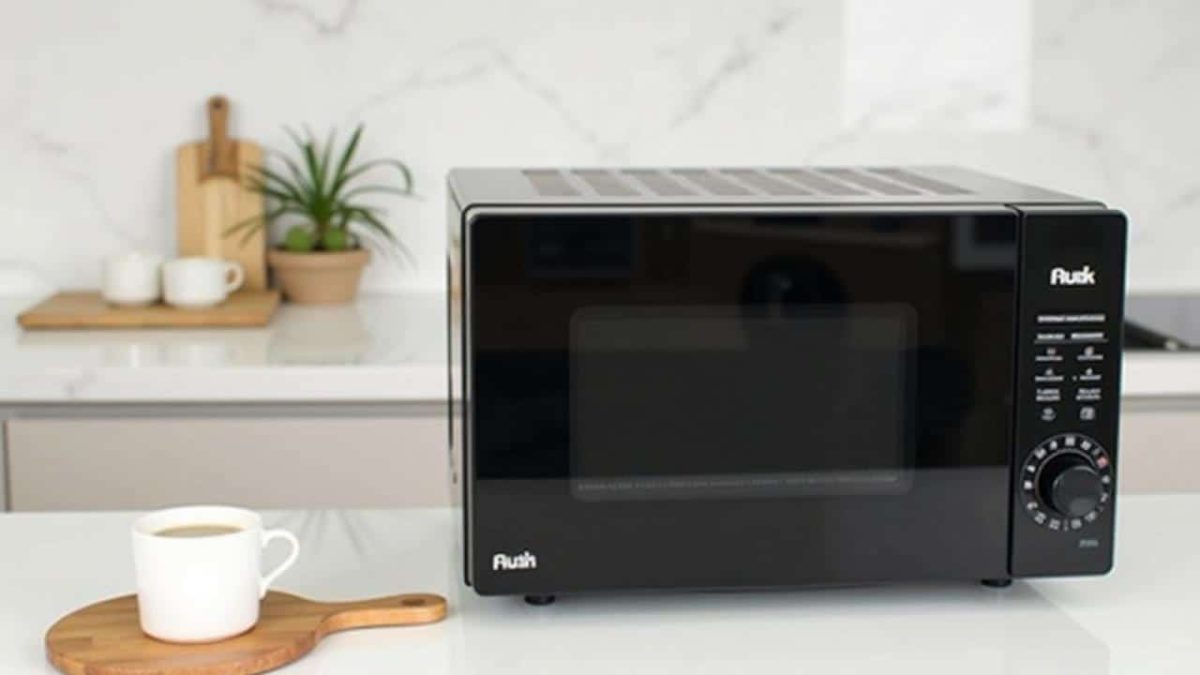
The microwave has been a fixture on our kitchen counters for decades, but times are changing. Emerging technologies, shifting cooking habits, and rising energy costs are challenging the dominance of this trusty appliance. A new contender is poised to take the spotlight, offering a more versatile and energy-efficient solution that could signal the end of the microwave era.
As we explore the factors that are driving this kitchen revolution, it becomes clear that the microwave’s reign may be coming to an end. From the rise of smart multicookers to the growing emphasis on sustainable living, the stage is set for a significant shift in our culinary routines.
The Microwave’s Waning Appeal
The microwave has long been a go-to for quick and convenient meal preparation, but its limitations are becoming increasingly apparent. Changing consumer preferences, concerns about energy efficiency, and the availability of newer, more advanced cooking technologies are all contributing to the microwave’s decline.
One of the primary factors behind the microwave’s waning popularity is the growing emphasis on healthier, more home-cooked meals. Consumers are becoming more conscious of the nutritional value and quality of their food, and the microwave’s reputation for producing subpar results is working against it.
Additionally, the rising cost of energy is prompting households to reevaluate their appliance choices. The microwave’s relatively high energy consumption compared to newer, more efficient cooking methods is making it a less appealing option for budget-conscious consumers.
The Innovative Challenger: The Smart Multicooker
As the microwave’s star begins to fade, a new kitchen appliance is emerging as a formidable challenger: the smart multicooker. These versatile machines offer a wide range of cooking functions, from slow cooking and steaming to air frying and baking, all while boasting impressive energy efficiency.
The key advantage of the smart multicooker lies in its ability to handle a variety of cooking tasks, from preparing entire meals to baking bread and even dehydrating foods. This versatility allows users to streamline their kitchen workflows, reducing the need for multiple single-purpose appliances.
Moreover, many smart multicookers come equipped with advanced features like Wi-Fi connectivity, app-based controls, and pre-programmed cooking modes. This level of automation and convenience is resonating with consumers who are seeking a more seamless and efficient cooking experience.
The Rise of the Smart Multicooker
The growing popularity of smart multicookers is not just a passing trend; it’s a reflection of deeper shifts in our cooking habits and priorities. As consumers become more health-conscious and environmentally aware, the appeal of these versatile appliances is only expected to increase.
One of the key factors driving the adoption of smart multicookers is their energy efficiency. These appliances typically use less electricity than traditional ovens and stovetops, making them a more sustainable choice for households looking to reduce their environmental impact and utility bills.
Additionally, the convenience and time-saving benefits of smart multicookers are attracting busy families and professionals who are seeking to simplify their meal preparation routines. The ability to set and forget a meal while the appliance handles the cooking process is a major draw for those with hectic schedules.
The Impact on Cooking Habits and Culture
As the smart multicooker gains traction, it’s poised to have a significant impact on our overall cooking habits and culinary culture. The versatility of these appliances is already inspiring home cooks to experiment with new recipes and techniques, expanding the range of dishes they can prepare at home.
Furthermore, the rise of the smart multicooker could encourage a shift towards more communal and interactive cooking experiences. The ability to monitor and control the appliance remotely via smartphone or voice commands opens up new possibilities for shared cooking activities and family involvement in meal preparation.
This evolution in kitchen dynamics could also lead to a renaissance in home-cooked meals, as the convenience and efficiency of smart multicookers make it easier for people to prepare nutritious and flavorful dishes from scratch.
The Transition: When to Make the Switch
As the microwave’s dominance wanes and the smart multicooker emerges as a compelling alternative, the decision of when to make the switch will depend on individual needs and preferences. Early adopters may be eager to embrace the new technology and enjoy the benefits it offers, while others may be more cautious and wait for the market to mature.
For those considering the transition, it’s important to carefully evaluate the specific features and capabilities of different smart multicooker models, as well as their compatibility with your cooking routines and kitchen layout. Additionally, the cost of the appliance and any potential energy savings should be factored into the decision-making process.
Ultimately, the choice to bid farewell to the microwave and welcome the smart multicooker into your kitchen will be a personal one, driven by your own culinary preferences, lifestyle, and commitment to sustainable living.
Navigating the Challenges and Embracing the Opportunities
As with any significant change, the transition from microwave to smart multicooker is not without its challenges. Users may need to adjust to the new interface and cooking methods, and there may be a learning curve associated with mastering the appliance’s features and functionalities.
However, the potential benefits of the smart multicooker, from improved energy efficiency to expanded culinary possibilities, make it a worthwhile investment for many households. With the right guidance and support, the transition can be a smooth and rewarding experience, ushering in a new era of home cooking and culinary innovation.
As the microwave’s reign comes to a close, the rise of the smart multicooker presents an exciting opportunity to redefine our relationship with kitchen appliances and the way we approach meal preparation. This innovative technology has the potential to not only streamline our daily routines but also inspire a renewed passion for homemade, nutrient-rich meals that nourish both body and soul.
Frequently Asked Questions
What are the key advantages of a smart multicooker over a traditional microwave?
Smart multicookers offer a wider range of cooking functions, improved energy efficiency, and enhanced versatility compared to traditional microwaves. They can handle tasks like slow cooking, air frying, and even baking, making them a more comprehensive kitchen appliance.
How do smart multicookers compare in terms of cost and energy consumption?
While smart multicookers may have a higher upfront cost than a traditional microwave, they can save households money in the long run due to their improved energy efficiency. The energy savings can offset the initial investment, making them a more economical choice over time.
What types of dishes can I prepare with a smart multicooker?
Smart multicookers are incredibly versatile and can be used to prepare a wide variety of dishes, from hearty stews and roasted meats to baked goods and even homemade yogurt. The range of cooking functions allows users to experiment with different recipes and culinary techniques.
How difficult is it to transition from a microwave to a smart multicooker?
While there may be a slight learning curve when transitioning to a smart multicooker, the process is generally straightforward. Many models come with intuitive interfaces and user-friendly features that make it easy to get started. With a little practice, users can quickly master the appliance’s functionalities.
Are there any downsides or limitations to using a smart multicooker?
While smart multicookers offer numerous benefits, they may not be suitable for certain types of cooking that require precise temperature control or specific cooking environments. Additionally, the initial investment may be higher than a traditional microwave, although the long-term energy savings can offset this cost.
How can I find the right smart multicooker for my needs?
When selecting a smart multicooker, consider factors such as cooking capacity, the range of available functions, energy efficiency, and user-friendly features. It’s also helpful to read reviews and compare models to find the one that best fits your kitchen setup and cooking preferences.
Will the rise of smart multicookers completely replace traditional microwaves?
While the smart multicooker is poised to become a dominant kitchen appliance, it’s unlikely that traditional microwaves will disappear completely. Microwaves may still serve a purpose for certain quick-heating tasks or in compact kitchens where space is limited. However, the smart multicooker is expected to significantly reduce the microwave’s overall market share in the coming years.
How can I incorporate a smart multicooker into my daily cooking routine?
Smart multicookers can be seamlessly integrated into daily cooking routines by allowing users to set and forget meals while they focus on other tasks. The ability to control the appliance remotely and access pre-programmed cooking modes can help streamline meal preparation and free up time for other activities.