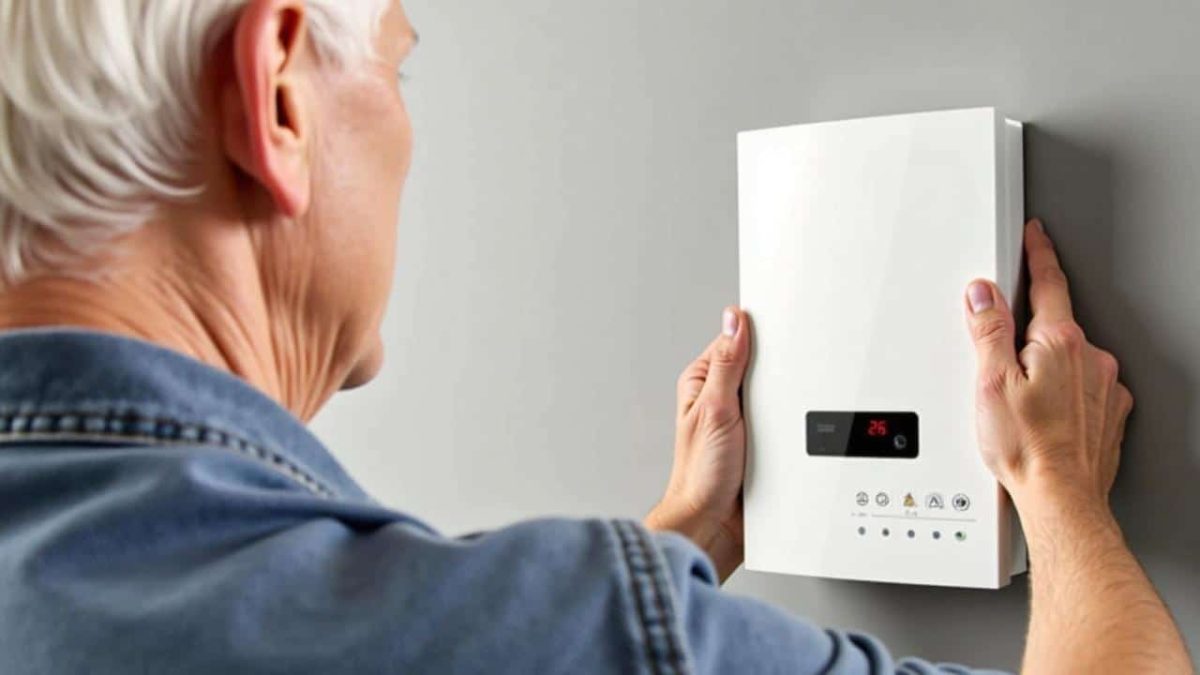
As talk show hosts argue about the energy transition, some seniors are simply struggling to keep their homes even moderately warm. Ironically, the very technology that could provide them with safe, cost-effective heating – the heat pump – is often rejected by older homeowners. What’s behind this reluctance, and why are so many seniors left to shiver in their own homes?
The reasons are complex, ranging from misconceptions about the technology to financial and logistical barriers. But the consequences can be severe, with some elderly residents reporting indoor temperatures of just 8 degrees Celsius. In a country that prides itself on its social safety net, this situation is unacceptable. It’s time to understand why the heat pump remains a hard sell for seniors, and what can be done to get more of them warm and comfortable in their golden years.
The Heat Pump: An Ideal Solution for Seniors, But Plagued by Misconceptions
On paper, the heat pump seems like an obvious choice for older homeowners. It’s an efficient, environmentally-friendly technology that can deliver substantial heating and cooling savings compared to traditional systems. And for seniors on fixed incomes, those cost savings could make a real difference in their quality of life.
Yet many seniors view heat pumps with skepticism or outright fear. Some worry that the technology is unreliable or won’t be able to keep their homes adequately warm, especially during the coldest winter months. Others are concerned about the upfront installation costs, unsure if they’ll be able to recoup the investment through long-term energy savings.
These misconceptions are often amplified by a lack of trusted information. Seniors may not have easy access to objective, user-friendly guidance on heat pumps and their benefits. And with contractors and salespeople eager to push certain technologies, it can be hard for older homeowners to get a clear, unbiased assessment of their options.
The High Cost of Staying Warm: Wood, Gas, and Electricity All Pose Risks
Of course, the alternatives to heat pumps aren’t exactly appealing either. Many seniors rely on outdated, inefficient heating systems that guzzle energy and strain their budgets. Wood stoves, gas furnaces, and electric heaters may seem like cheaper options, but they often come with their own set of drawbacks and dangers.
Wood stoves, for instance, require constant tending and can be a fire hazard, especially for less mobile seniors. Gas furnaces, meanwhile, carry the risk of carbon monoxide leaks, which can be deadly. And electric heating, while convenient, is notorious for driving up energy bills – a particular concern for those on fixed incomes.
Ultimately, these traditional heating methods may end up costing seniors more in the long run, both financially and in terms of their health and safety. But the upfront costs and perceived risks of a heat pump installation are often enough to deter older homeowners from making the switch.
The Disconnect Between Incentives and Accessibility
To be fair, there are government programs and financial incentives designed to help seniors upgrade their heating systems. Rebates, tax credits, and low-interest loans are available in many areas to offset the costs of heat pump installation and other energy-efficiency measures.
However, these programs often fall short when it comes to reach and accessibility. Navigating the bureaucratic application process can be overwhelming for some seniors, especially those with limited mobility or technological know-how. And even when incentives are available, many older homeowners simply aren’t aware of them or don’t know how to take advantage.
This disconnect between intention and implementation is a major barrier. Policymakers and utilities may be doing their best to promote heat pumps and other clean heating solutions, but if the target audience can’t easily access those benefits, the impact will be limited.
The Crucial Role of Family and Community Support
Fortunately, there are ways to bridge this gap and help more seniors access the warmth and savings of a heat pump. The key often lies in tapping into the power of family, friends, and community networks.
Adult children, for example, can play a vital role in researching heating options, navigating the incentive programs, and even overseeing the installation process. Neighbors and local organizations can also step in to provide information, technical assistance, and even financial support where needed.
By fostering these collaborative, community-based solutions, we can empower seniors to make informed decisions about their heating systems – and ensure that no one is left out in the cold.
The Heat Pump’s Real-World Performance: A Practical Example
To illustrate the benefits of a heat pump in a senior’s home, consider the case of Maria, a 75-year-old retiree living in a modest two-bedroom apartment. Before upgrading to a heat pump, Maria was relying on an aging electric furnace that was driving up her energy bills and leaving her home uncomfortably chilly.
| Metric | Old Electric Furnace | New Heat Pump |
|---|---|---|
| Heating Costs (monthly) | €150 | €85 |
| Heating Efficiency | 70% | 300% |
| Maintenance Costs (annual) | €200 | €80 |
| Lifespan | 15 years | 20 years |
After installing the heat pump, Maria’s monthly heating costs dropped by over 40%, from €150 to just €85. The system’s impressive 300% efficiency rating means it uses far less electricity to produce the same amount of heat as her old furnace. And with lower maintenance requirements and a longer lifespan, Maria can expect to save even more in the years to come.
Most importantly, the heat pump has allowed Maria to maintain a comfortable temperature in her home without worrying about high energy bills. She no longer has to choose between staying warm and making ends meet – a trade-off that far too many seniors face.
The Risks of Cold: Why Warm Homes Are Not a Luxury for Seniors
For older adults, the consequences of living in a cold, poorly-heated home can be severe. Exposure to prolonged cold can exacerbate existing health conditions, leading to increased risk of respiratory infections, hypothermia, and even cardiovascular problems.
Studies have shown that cold homes are particularly dangerous for seniors, who are more susceptible to the negative effects of low indoor temperatures. Inadequate heating can also contribute to social isolation, as seniors may be reluctant to invite guests or leave the house if their living space is uncomfortably chilly.
Ultimately, ensuring that seniors have access to reliable, affordable heating is not just a matter of comfort – it’s a crucial component of their health, safety, and overall quality of life. By addressing the barriers that prevent widespread heat pump adoption, we can help keep our older citizens warm, healthy, and engaged in their communities.
What are the key benefits of a heat pump for seniors?
Heat pumps offer several advantages for older homeowners, including:
– Significant energy savings compared to traditional heating systems
– Improved energy efficiency and lower monthly utility bills
– Safer operation with no risk of carbon monoxide leaks
– Longer lifespan and lower maintenance costs
– Ability to provide both heating and cooling from a single system
How can seniors access financial incentives for heat pump installations?
Many governments and utilities offer rebates, tax credits, and other incentives to help offset the upfront costs of heat pump installations. Seniors should contact their local energy provider, municipal government, or specialized organizations that assist older adults with home improvements to learn about available programs and how to apply.
What are some common misconceptions about heat pumps?
Some common misconceptions about heat pumps include:
– They won’t work well in cold climates
– They are unreliable and prone to breakdowns
– The upfront installation costs are too high to recoup through savings
– They are complex and difficult to operate
How can family and community support help seniors with heat pump adoption?
Family members, neighbors, and community organizations can play a crucial role in helping seniors navigate the heat pump adoption process, including:
– Researching available options and incentives
– Providing technical assistance and guidance during the installation
– Offering financial support or connecting seniors with relevant assistance programs
– Checking in regularly to ensure the system is functioning properly and the home is staying warm
What are the health risks associated with living in a cold home?
Exposure to prolonged cold can have serious health consequences for seniors, including:
– Increased risk of respiratory infections, such as pneumonia
– Exacerbation of existing conditions like arthritis, circulatory problems, and cardiovascular disease
– Hypothermia and other temperature-related illnesses
– Social isolation and depression due to reluctance to leave a cold home
How can seniors assess whether a heat pump is the right heating solution for their home?
When evaluating heat pumps, seniors should consider factors like:
– The size and layout of their home
– Their current heating system and energy costs
– Any available financial incentives or assistance programs
– The ability to install the necessary electrical and ductwork infrastructure
– The reputation and expertise of potential installation contractors
What steps can be taken to improve heat pump adoption among seniors?
To increase heat pump adoption, key steps include:
– Expanding public awareness campaigns to educate seniors on the benefits
– Streamlining and promoting access to financial incentives and assistance programs
– Partnering with community organizations to provide personalized guidance and support
– Encouraging contractors to offer specialized services and payment plans for senior customers
– Researching and developing heat pump technologies that are even better suited for older adults
How can seniors ensure their heat pump is properly maintained and functioning efficiently?
Regular maintenance and monitoring are crucial for maintaining the performance and longevity of a heat pump system. Seniors should:
– Schedule annual tune-ups and inspections with a qualified HVAC technician
– Learn how to perform basic maintenance tasks like changing air filters
– Monitor the system’s operation and energy use for any signs of problems
– Consider enrolling in a service plan or maintenance agreement with their installer