While frost, rain, and a gray sky dominate the outdoors, the quiet work for spring has already begun inside the warm spaces. One of the most rewarding projects to tackle during the winter months is pre-sprouting sweet potatoes in preparation for the growing season ahead.
Sweet potatoes are a versatile and nutritious crop that can thrive even in cooler climates, and getting a head start on their growth during the winter allows gardeners to reap a bountiful harvest come summertime. By understanding the simple steps involved in this process, you can ensure a successful pre-sprouting venture and set the stage for a thriving sweet potato patch in the months to come.
The Benefits of Pre-Sprouting Sweet Potatoes in Winter
Traditionally, sweet potatoes are planted in the spring after the last frost has passed, but by pre-sprouting them in the winter, you can give your plants a significant head start. This allows for a longer growing season and can result in a more abundant yield come harvest time.
Additionally, pre-sprouting sweet potatoes indoors helps to protect the delicate tubers from the harsh winter weather, ensuring that they remain healthy and ready to be transplanted when the time is right. This process also allows you to carefully select the best-quality tubers, which can lead to a more robust and vigorous crop.
Perhaps most importantly, pre-sprouting sweet potatoes during the winter months gives you a valuable activity to occupy your green thumb, helping to alleviate the gardening withdrawal that many experience during the colder seasons.
Choosing the Right Sweet Potato Tubers
When it comes to pre-sprouting sweet potatoes, the quality of the tubers you select is crucial. While it may be tempting to choose the largest specimens, often the smaller, more uniform tubers will produce the healthiest and most abundant slips (the sprouts that will eventually be transplanted).
Look for tubers that are firm, blemish-free, and free of any signs of damage or decay. Avoid tubers that are overly large or misshapen, as these may not produce optimal results. It’s also important to source your sweet potatoes from a reputable supplier or seed company to ensure they are true to variety and free of any pests or diseases.
Once you have your tubers, it’s time to get them started on their journey to spring planting.
The Classic Water Pre-Sprouting Method
One of the most common and time-honored methods for pre-sprouting sweet potatoes is the water pre-sprouting method. This technique involves suspending the tubers in water, allowing the slips to emerge and develop strong root systems before transplanting.
| Step | Description |
|---|---|
| 1. Choose a clean, wide-mouthed container | A glass jar or bowl works well for this purpose. |
| 2. Secure the tubers with toothpicks | Insert toothpicks or small skewers into the tubers, suspending them so that the bottom half is submerged in water. |
| 3. Add water | Fill the container with enough water to cover the bottom half of the tubers, being careful not to submerge them completely. |
| 4. Place in a warm, sunny location | The ideal temperature range for pre-sprouting is between 70-85°F (21-29°C). |
| 5. Monitor the water level | Refill the container as needed to maintain the water level and prevent the tubers from drying out. |
With this simple method, you’ll begin to see slips emerging from the tubers within a few weeks. Once the slips reach 4-6 inches (10-15 cm) in length, they’ll be ready for transplanting into the soil.
Maximizing Your Sweet Potato Harvest
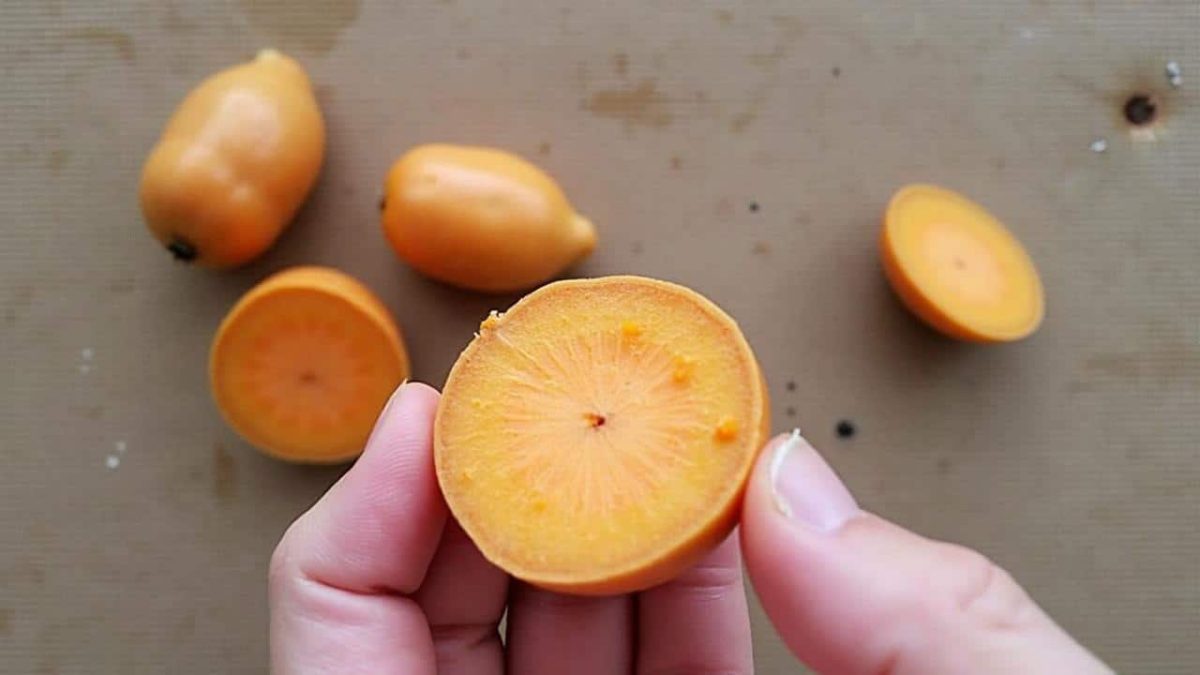
One clever way to get the most out of your pre-sprouted sweet potatoes is to divide the tubers and plant multiple slips from a single specimen. This can be done by carefully slicing the tuber in half or into smaller pieces, ensuring that each section contains at least one “eye” or growth point.
Once the tuber sections have been prepared, simply plant them in a well-draining potting mix or soil, covering them with 1-2 inches (2.5-5 cm) of soil. Keep the soil consistently moist, and you’ll soon see new slips emerging from each piece.
This technique not only maximizes your yield, but it also allows you to stretch your sweet potato investment even further. Just be sure to handle the tuber sections with care to avoid any damage that could inhibit their growth.
The Three Key Factors for Pre-Sprouting Success
When it comes to pre-sprouting sweet potatoes, there are three essential factors to keep in mind: moisture, light, and air circulation. Getting the balance right between these elements is the key to ensuring healthy, robust slips that will thrive once transplanted.
| Factor | Ideal Conditions | What to Avoid |
|---|---|---|
| Moisture | Consistently moist, but not waterlogged | Letting the tubers dry out or become overly saturated |
| Light | Bright, indirect sunlight | Direct sunlight, which can scorch the delicate sprouts |
| Air Circulation | Good air flow to prevent mold and disease | Stagnant air, which can lead to fungal issues |
By carefully monitoring and adjusting these three factors, you can ensure that your pre-sprouted sweet potatoes are healthy, strong, and ready for transplanting come spring.
Transplanting Time: When are the Slips Ready?
The key to successful transplanting is to wait until the slips have developed a robust root system and are at least 4-6 inches (10-15 cm) tall. This ensures that the plants will be able to withstand the shock of being transplanted and establish themselves quickly in their new soil environment.
“The timing of transplanting is critical for sweet potato success. Wait until the slips have strong, well-developed roots and are at least a few inches tall before moving them outside. This will give them the best chance of thriving in the garden.”
– Sarah Jarvis, Master Gardener and Sweet Potato Specialist
Keep a close eye on your pre-sprouted slips, and be patient. Rushing the transplanting process can lead to stunted growth or even plant loss. When the slips are ready, you’ll know it – they’ll be standing tall and strong, ready to be planted and to begin their journey towards a bountiful harvest.
Troubleshooting Pre-Sprouting Pitfalls
While pre-sprouting sweet potatoes is generally a straightforward process, there are a few potential pitfalls to be aware of. By understanding these common issues and how to address them, you can ensure a smoother and more successful pre-sprouting experience.
| Issue | Possible Cause | Solution |
|---|---|---|
| Slips not forming | Tubers are old or damaged | Use fresh, high-quality tubers |
| Rotting tubers | Excess moisture or poor air circulation | Adjust water levels and ensure good airflow |
| Leggy, stretched-out slips | Insufficient light | Move the container to a brighter location |
| Fungal growth or disease | Unsanitary conditions | Disinfect the container and use clean water |
By staying vigilant and addressing any issues promptly, you can ensure that your pre-sprouted sweet potatoes are healthy, strong, and ready for transplanting come springtime.
A Real-World Example: From Winter Greenhouse to Summer Harvest
To illustrate the process of pre-sprouting sweet potatoes, let’s take a look at the experience of one gardener, Maria, who has been successfully growing sweet potatoes for several years.
“I start my sweet potato pre-sprouting project in early January, right after the new year. I source my tubers from a local farm that specializes in heirloom varieties, and I carefully select the smallest, most uniform specimens. I suspend them in water-filled jars, just as I’ve done for years, and place them in a sunny spot in my greenhouse.”
– Maria, Experienced Sweet Potato Grower
Maria continues, “Over the next few weeks, I watch as the slips begin to emerge and grow taller. I make sure to keep the water levels topped up and the air circulating to prevent any issues. By the end of March, my slips are ready to be transplanted into larger containers filled with a rich, well-draining potting mix.”
With her pre-sprouted sweet potatoes safely in their new homes, Maria can then move them outdoors as the weather warms, gradually acclimating them to the full sun and breezes. “By the time I plant them in my garden in late May, my sweet potato plants are already several inches tall and ready to take off. I end up with an amazing harvest every year, all thanks to that initial pre-sprouting work during the winter months.”
Related Projects for Cozy Winter Evenings
While pre-sprouting sweet potatoes is a wonderfully rewarding winter activity, it’s not the only way to get a head start on your spring gardening. Here are a few other projects you can tackle during the colder months:
- Start seeds indoors for early-season vegetables and herbs
- Prepare seed trays and containers for transplanting
- Plan and design your summer garden layout
- Research new and interesting plant varieties to try
- Organize and inventory your gardening supplies
By keeping your green thumb active and engaged throughout the winter, you’ll be primed and ready to hit the ground running when the spring planting season arrives.
FAQ
How long does it take to pre-sprout sweet potatoes?
It typically takes 4-6 weeks for sweet potato slips to develop enough to be ready for transplanting. The exact timeline can vary depending on factors like temperature, light, and water conditions.
Can I reuse the same sweet potato tubers for multiple years?
While it’s possible to reuse sweet potato tubers, it’s generally recommended to start with fresh tubers each year. This helps to ensure the best possible growth and disease resistance in your sweet potato crop.
How do I know when the slips are ready to be transplanted?
The slips are ready for transplanting when they are 4-6 inches (10-15 cm) tall and have developed a strong, fibrous root system. Look for slips that are standing upright and appear healthy and vigorous.
Can I grow sweet potatoes in containers?
Yes, sweet potatoes can be successfully grown in containers, as long as the containers are large enough (at least 12 inches deep) and have good drainage. This makes them a great option for gardeners with limited space.
What is the best soil for growing sweet potatoes?
Sweet potatoes prefer a well-draining, sandy or loamy soil that is rich in organic matter. Avoid heavy, clay-based soils, as these can lead to issues with tuber development and disease.
How do I cure and store sweet potatoes after harvesting?
After harvesting, sweet potatoes need to be cured for 10-14 days in a warm, humid environment to help thicken their skins and improve their storage potential. Once cured, they can be stored in a cool, dark place for several months.
Can I save my own sweet potato slips for next year?
Yes, you can save your own sweet potato slips for planting the following year. Simply allow a few of the healthiest slips to continue growing and develop their own tubers, which can then be used as the starting point for next season’s pre-sprouting process.
What are some common pests and diseases that affect sweet potatoes?
Common sweet potato pests include sweet potato weevils, aphids, and nematodes. Diseases like black rot, scurf, and stem rot can also be issues. Proper sanitation, crop rotation, and the use of disease-resistant varieties can help mitigate these problems.