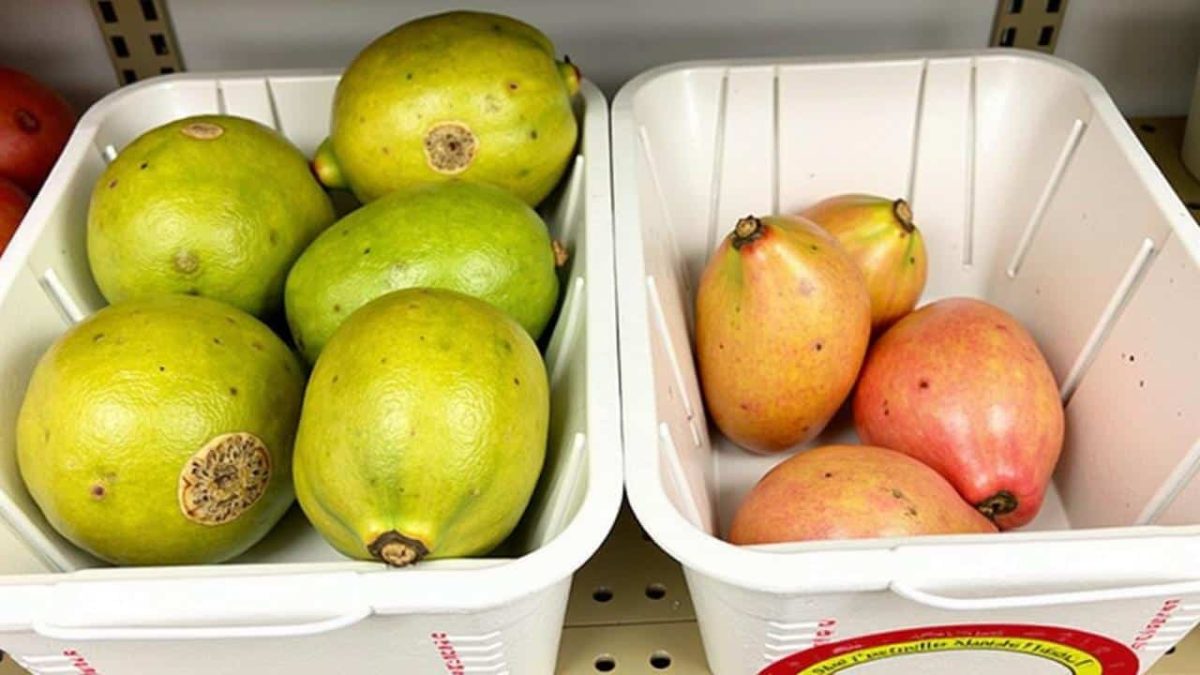
In a concerning development, a nationwide recall has been initiated in France for yellow pitayas, more commonly known as dragon fruits. The recall affects several major retail chains, including Intermarché, Grand Frais, and Fresh, among others. This move comes in response to the discovery that certain batches of these exotic fruits have exceeded the permissible limits for pesticide residues.
As consumers increasingly seek out unique and flavorful produce, the booming popularity of pitayas has also brought to light some potential health concerns. This latest recall serves as a reminder that even the most enticing of exotic fruits can sometimes harbor hidden risks, underscoring the importance of vigilance and transparency throughout the supply chain.
The Reason Behind the Pitaya Recall
The pitaya recall was triggered by the detection of pesticide residues that exceeded the legally established thresholds. These limits are in place to safeguard public health and ensure the safety of the food we consume. When a product is found to have crossed these boundaries, authorities are compelled to take action to protect consumers.
In the case of the affected pitayas, the specific pesticides involved and the degree to which they surpassed the limits have not been publicly disclosed. However, the mere fact that a recall has been initiated points to a significant enough violation to warrant this measure.
It’s important to note that the presence of pesticides does not necessarily mean the fruit is unsafe to consume in small quantities. However, prolonged exposure or consumption of produce with excessive residues can potentially pose health risks, which is why regulatory bodies take such cases seriously.
Implications for Consumers
For consumers who may have purchased the affected pitayas, the immediate recommendation is to refrain from consuming them and instead return the product to the point of purchase. This ensures that the items can be properly disposed of or removed from circulation, mitigating any potential health risks.
Retailers have a responsibility to swiftly and transparently communicate the details of the recall to their customers. This includes providing clear instructions on how to identify the affected batches and the appropriate steps to take. By taking these actions, retailers can help safeguard the well-being of their patrons and maintain trust in the quality of the products they offer.
For those who have already consumed the recalled pitayas, it’s advisable to monitor for any adverse health effects and seek medical attention if any concerns arise. While the levels of pesticide residues may not necessarily result in immediate illness, it’s always better to err on the side of caution when it comes to food safety.
The Booming Demand for Exotic Produce
The pitaya recall shines a light on the growing consumer appetite for exotic and unique fruits, a trend that has gained momentum in recent years. As people seek out novel flavors and nutritional benefits, the market for these so-called “superfoods” has expanded rapidly.
However, this increasing demand also brings with it challenges in ensuring the quality and safety of these products. The sourcing and distribution of exotic fruits often involve complex global supply chains, which can make it more difficult to maintain strict oversight and control.
Regulators and industry stakeholders must work together to establish robust quality assurance protocols and strengthen traceability mechanisms. This will help minimize the risk of contaminants and ensure that consumers can enjoy the benefits of these specialized fruits without compromising their health.
Understanding Pesticide Limits
The term “pesticide limit exceedance” may seem technical, but it is an essential concept in food safety. Pesticides are commonly used in agriculture to protect crops from pests and diseases, but their residues must be carefully monitored to ensure they do not exceed safe levels.
Regulatory bodies, such as the European Union, set maximum residue limits (MRLs) for various pesticides in different food products. These limits are based on extensive research and risk assessments, aiming to strike a balance between effective pest control and the protection of public health.
When a product is found to have pesticide levels above the established MRLs, it is deemed unfit for human consumption and must be recalled. This is a precautionary measure to minimize the potential risks associated with prolonged exposure to these chemicals.
Staying Informed through Product Warnings
The pitaya recall serves as a reminder for consumers to stay vigilant and informed about product safety alerts and recalls. By closely monitoring news and official announcements, individuals can make more informed decisions about the foods they choose to purchase and consume.
Paying attention to product warnings and recalls can help consumers avoid potential health risks and hold manufacturers and retailers accountable for the quality of their offerings. In the case of the pitaya recall, being aware of the issue and following the recommended actions can help protect one’s well-being.
As the market for exotic produce continues to evolve, maintaining a critical eye and a willingness to stay informed will be crucial. Consumers have the power to drive positive change in the industry by demanding transparency and accountability from producers and suppliers.
Expert Insights on the Pitaya Recall
“This recall highlights the importance of robust quality control measures throughout the supply chain. Exotic fruits, like pitayas, often come from diverse global sources, making it challenging to maintain consistent standards. Regulators and industry players must work together to strengthen traceability and ensure the safety of these emerging products.” – Dr. Emma Schneider, food safety specialist
“While the exact details of the pesticide exceedance are not public, it’s a clear indication that the producers and distributors failed to adhere to the established guidelines. Consumers deserve to have confidence in the safety of the food they purchase, and this recall serves as a wake-up call for the industry to improve its practices.” – John Müller, agricultural policy analyst
“Pitayas are a relatively new addition to the mainstream produce market, and their rising popularity has outpaced the ability of some suppliers to keep up with quality control. This episode underscores the need for greater investment in training, monitoring, and traceability to ensure that exotic fruits meet the same safety standards as more common produce.” – Sara Hoffmann, fruit industry consultant
What to Expect Next
The pitaya recall is likely to have ripple effects throughout the industry. Consumers may become more cautious about purchasing exotic fruits, at least in the short term, until they can be reassured about the safety and quality controls in place.
Retailers and distributors will also face increased scrutiny, as they must demonstrate their ability to effectively manage supply chains and respond swiftly to any safety issues that arise. This may lead to more stringent auditing and certification processes for suppliers of specialized produce.
Regulators, on the other hand, may use this incident as a catalyst to review and potentially strengthen the guidelines and enforcement mechanisms related to pesticide residues in food. By learning from this experience, authorities can work to prevent similar lapses in the future and better protect public health.
FAQs
What are the specific pesticides involved in the pitaya recall?
The authorities have not disclosed the specific pesticides that exceeded the legal limits in the affected pitaya batches. This information has not been made public, but the recall itself indicates that the levels of certain pesticide residues were deemed unacceptable for human consumption.
How can I identify the recalled pitayas?
Retailers have been instructed to provide clear information to customers on how to identify the affected pitaya products. This may include details such as batch numbers, best-before dates, or other identifying marks. Consumers should check with the store where they purchased the fruit for specific guidance.
What should I do if I have already consumed the recalled pitayas?
If you have already eaten the recalled pitayas, it’s important to monitor your health for any adverse effects. While the levels of pesticide residues may not necessarily result in immediate illness, it’s advisable to seek medical attention if you experience any concerning symptoms. Providing information about the consumption of the affected fruit to your healthcare provider can assist in appropriate medical evaluation.
How can I ensure I’m purchasing safe exotic fruits in the future?
To minimize the risk of purchasing contaminated produce, it’s recommended to stay informed about product recalls and safety alerts. Additionally, you can look for fruits that are certified organic or that come from suppliers with a strong track record of quality control. Engaging with reputable retailers and paying attention to labeling can also help you make more informed purchasing decisions.
Will this recall affect the availability of pitayas in the market?
The pitaya recall may temporarily disrupt the supply and availability of these exotic fruits, as retailers and distributors work to remove the affected batches from circulation. However, this is likely to be a short-term impact. The industry will need to address the underlying issues that led to the pesticide exceedance to ensure a stable and reliable supply of safe pitayas in the long term.
How common are recalls for exotic fruits like pitayas?
Recalls for exotic fruits, while not entirely uncommon, are generally less frequent than for more mainstream produce. However, as the demand for unique and specialized fruits continues to grow, the potential for quality control and safety issues may also increase. This pitaya recall serves as a reminder that even the most enticing of exotic offerings must meet the same rigorous standards as any other food product.
What can consumers do to support the safety of the exotic fruit market?
Consumers can play an active role in promoting the safety and quality of exotic fruits by demanding transparency from producers and retailers. This includes seeking out information about suppliers’ practices, supporting certification programs, and providing feedback to companies when issues arise. By working together, consumers and industry stakeholders can help drive positive change and ensure the long-term sustainability of the exotic produce market.
How can I stay informed about future product recalls and safety alerts?
To stay up-to-date on product recalls and food safety alerts, consumers can follow official government sources, such as the French Ministry of Agriculture and Food, as well as industry publications and consumer advocacy groups. Signing up for email or SMS notifications from these organizations can help ensure you receive the latest information in a timely manner.